The sources
Everything the film draws on, grouped by kind, in film order. Each one opens its receipt or the original.
Every receipt
All 244, in film order. Pick a label or type a few words to narrow the list.
244 receipts
The people
Every clip of a real person or show, in film order. 108 clips.
 from 44:53
 from 19:16
 from 0:02
 from 2:29
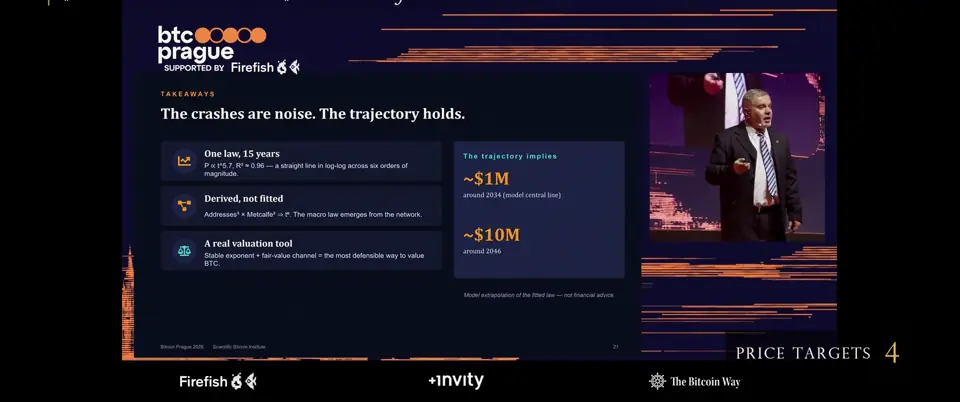 from 19:15
 from 18:54
 from 22:18
 from 19:28
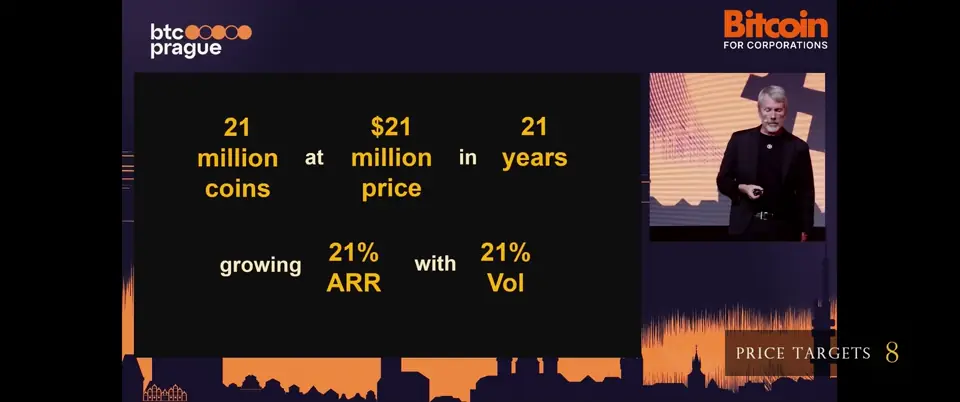 from 22:28
 from 40:23
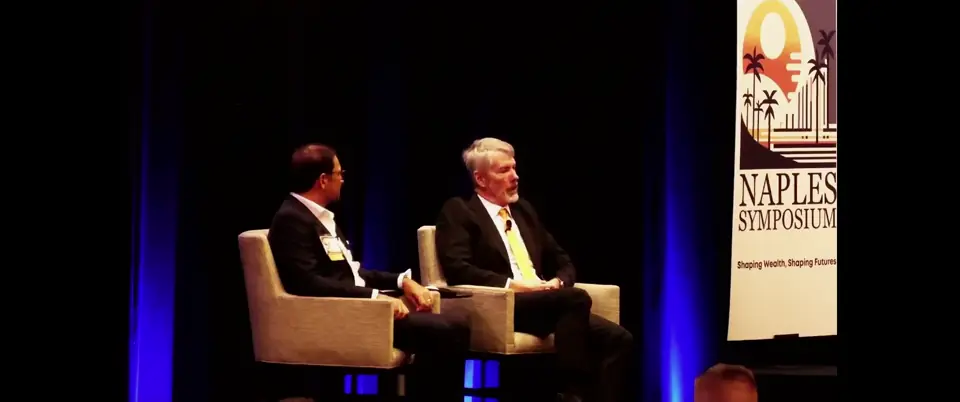 from 43:38
 from 6:10
 from 40:29
 from 50:44
 from 1:41
 from 16:27
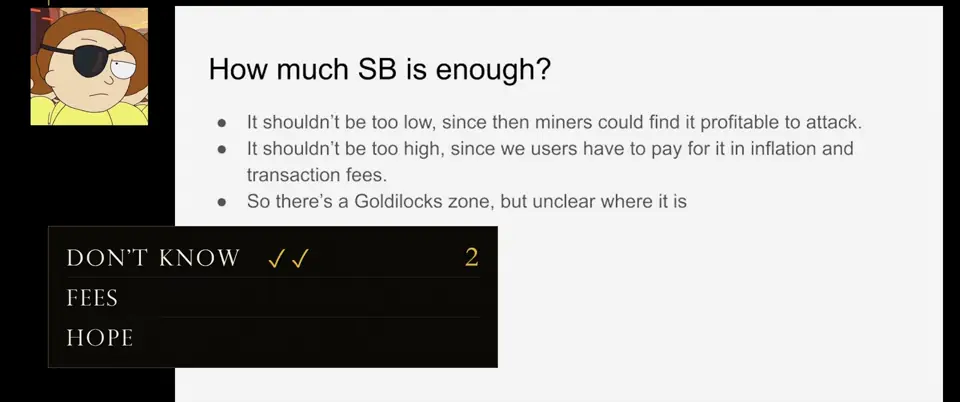 from 11:36
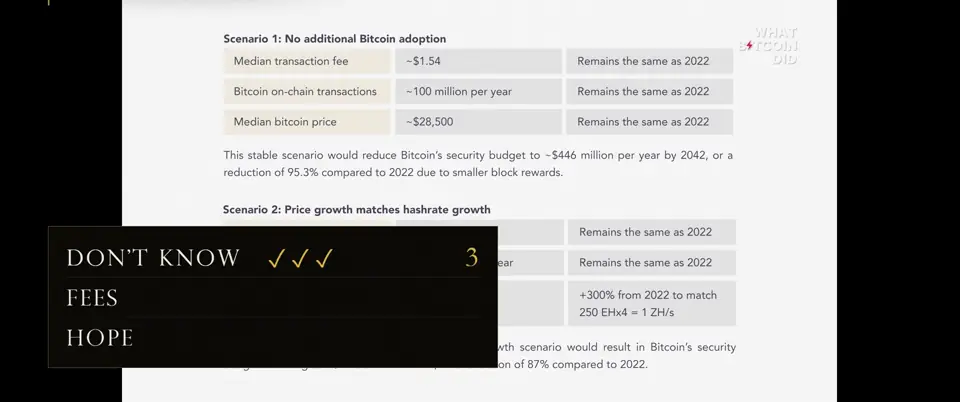 from 35:12
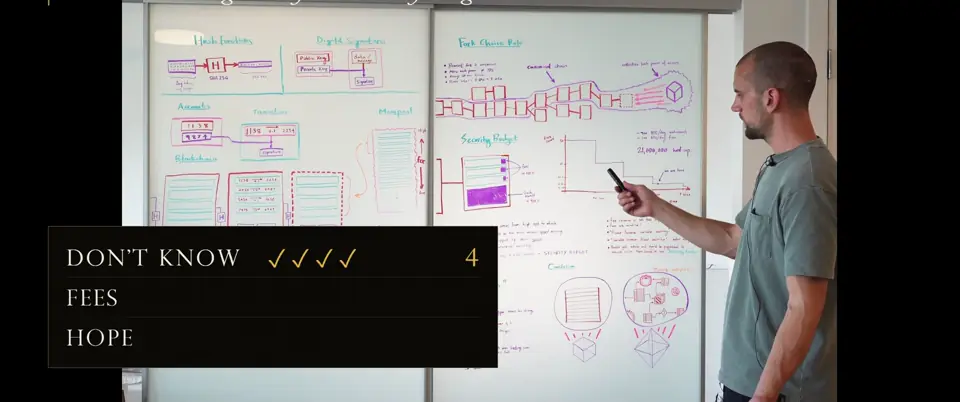 from 38:31
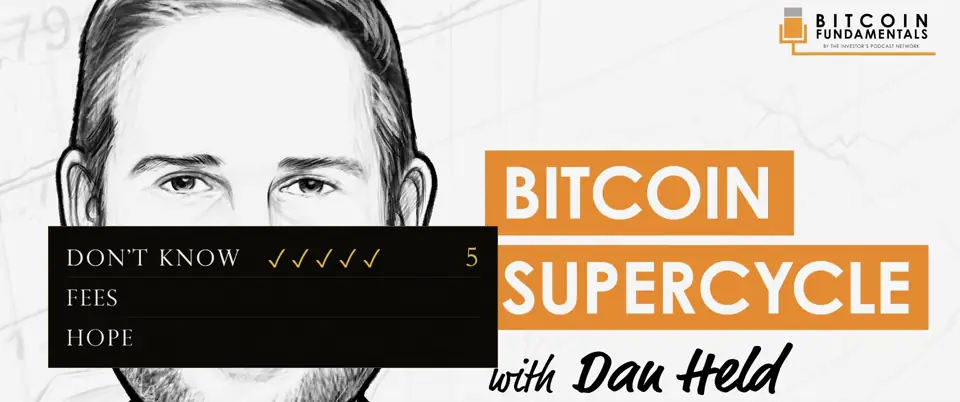 from 41:36
 from 10:25
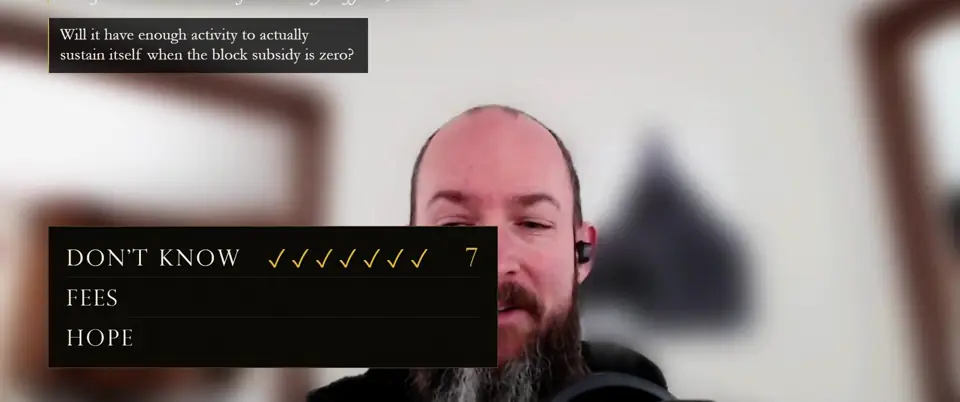 from 2:46
 from 2:00
 from 10:46
 from 19:47
 from 12:35
 from 12:53
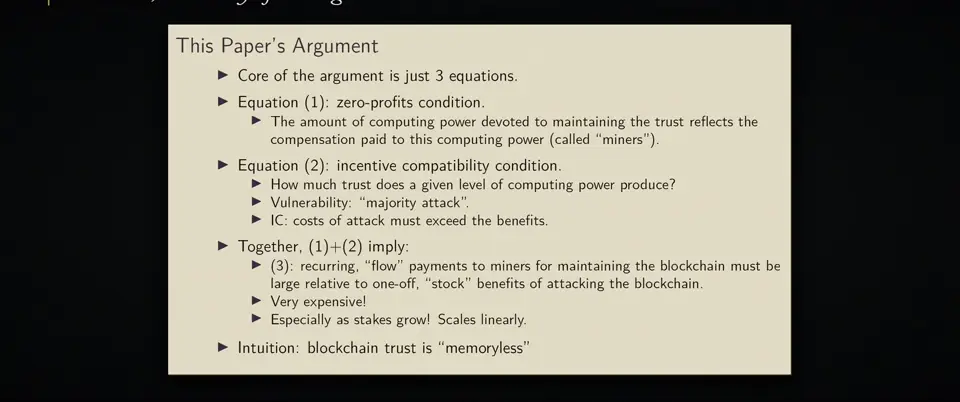 from 10:20
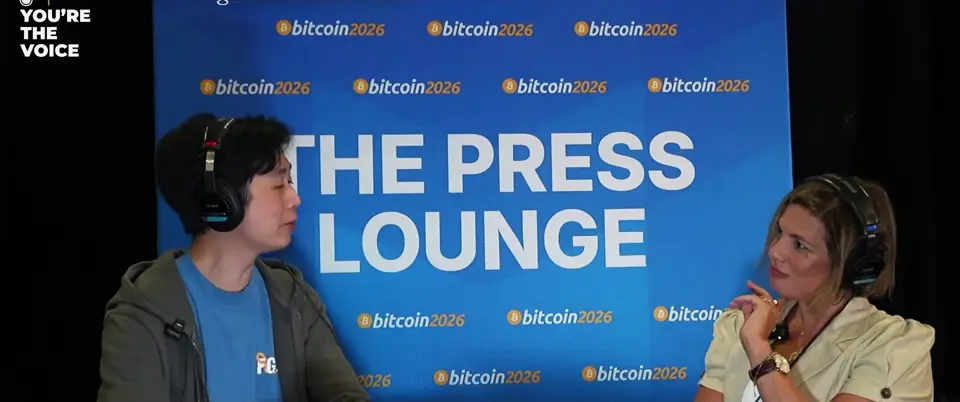 from 15:20
 from 1:32
 from 22:39
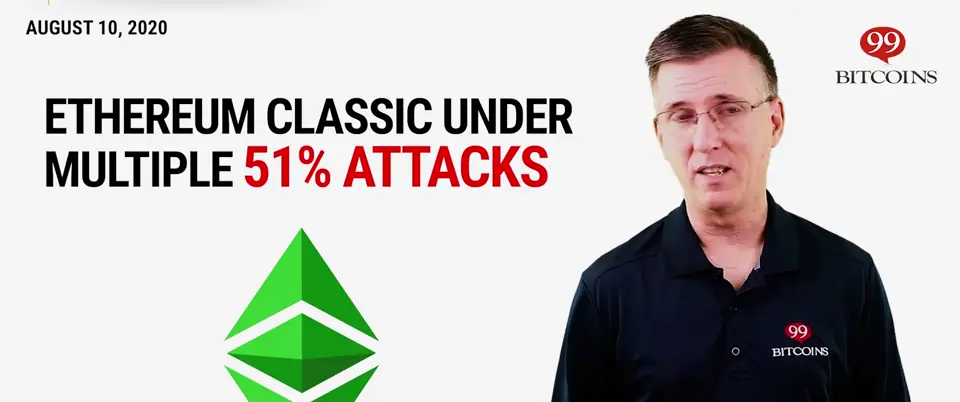 from 0:16
 from 1:12
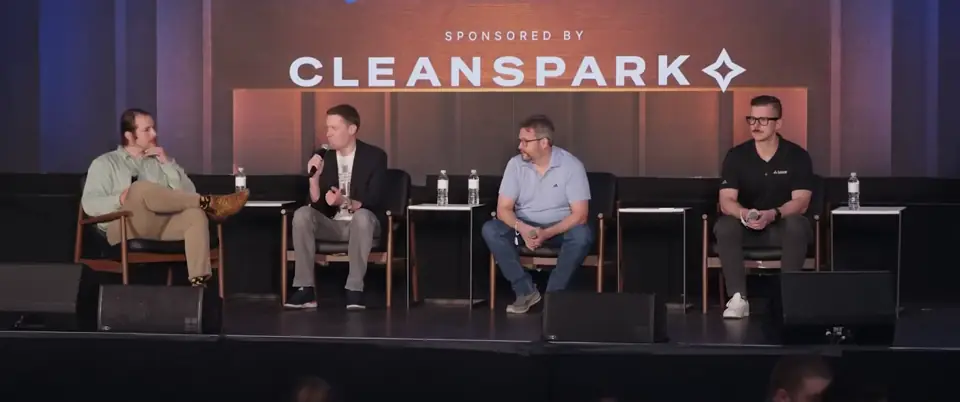 from 2:36
 from 39:05
 from 25:40
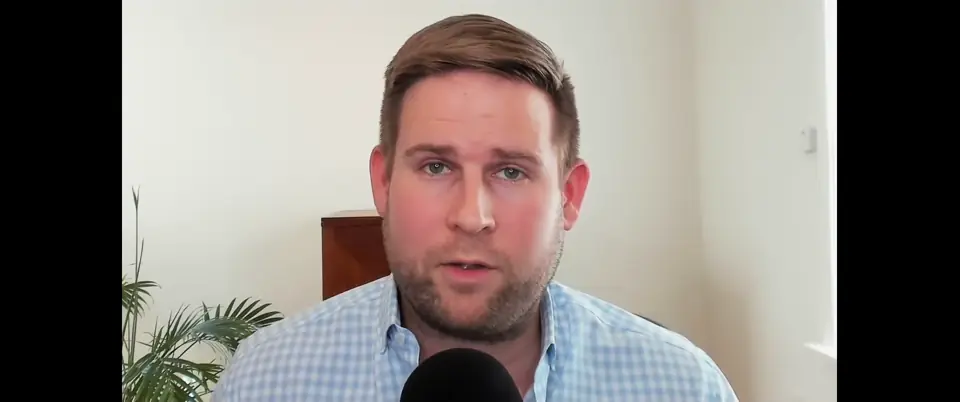 from 1:02:58
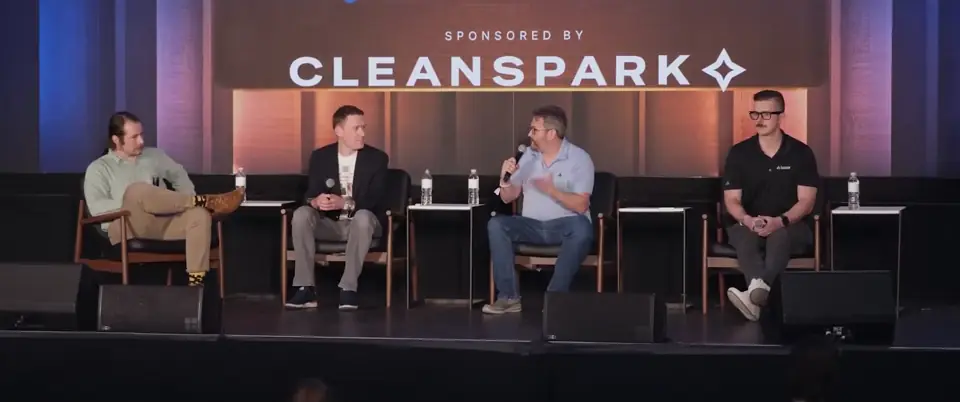 from 13:30
 from 50:15
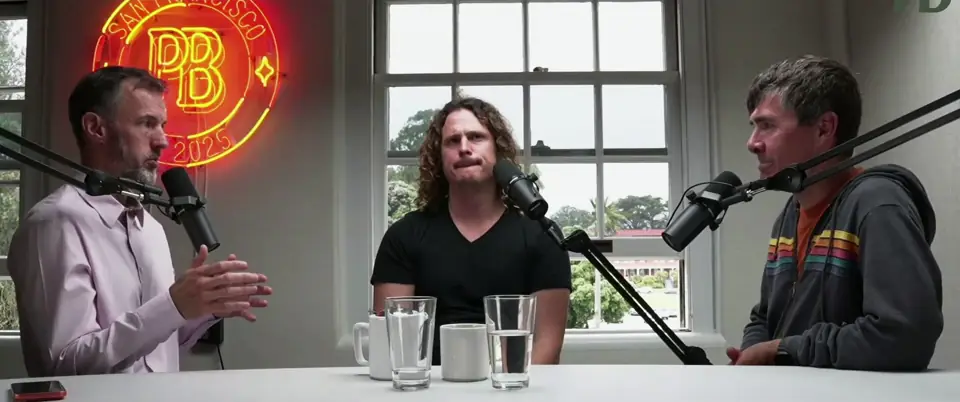 from 9:54
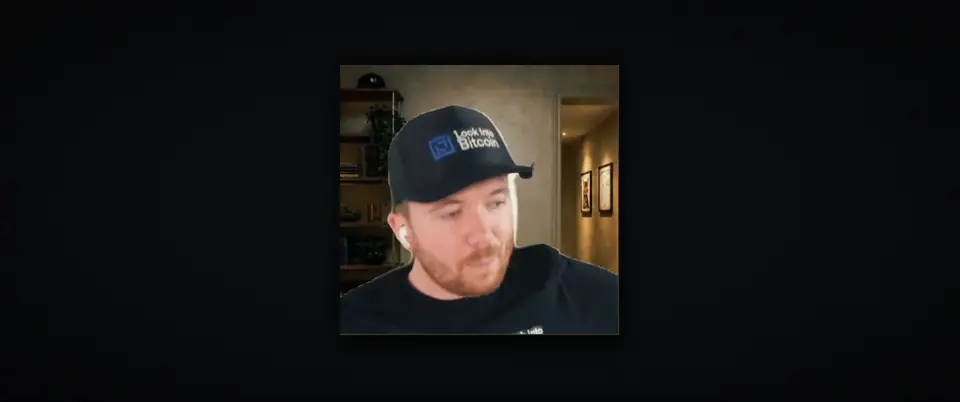 from 25:16
 from 1:09:53
 from 18:49
 from 3:30
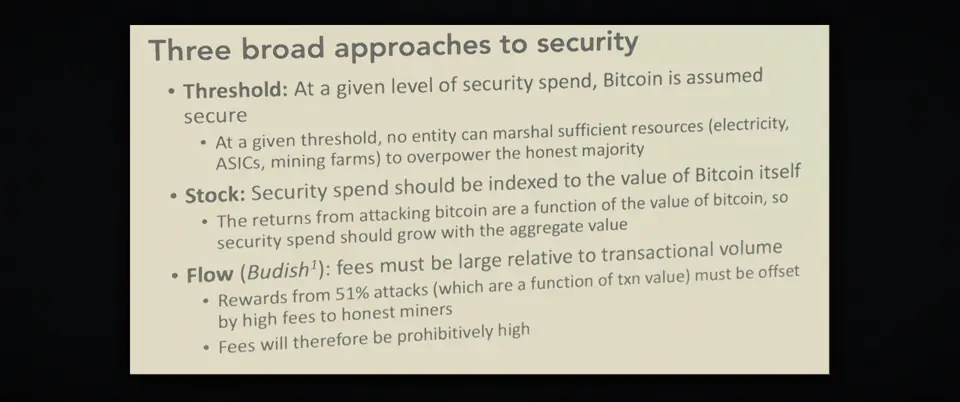 from 3:51
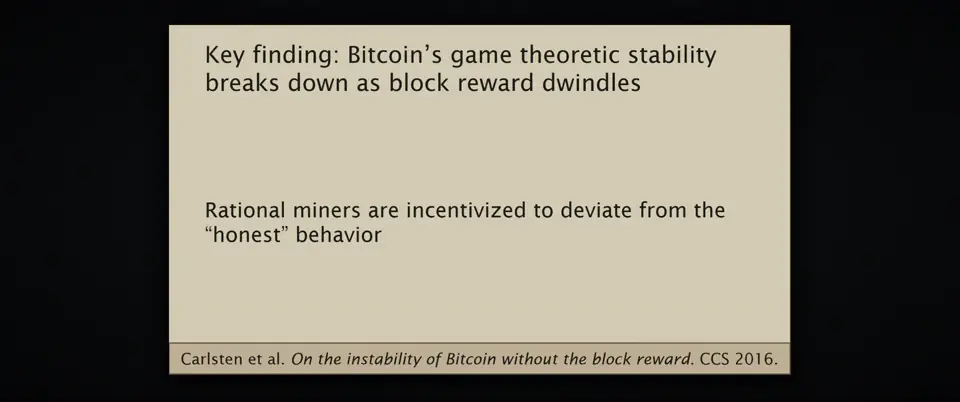 from 33:05
 from 1:24:23
 from 7:55
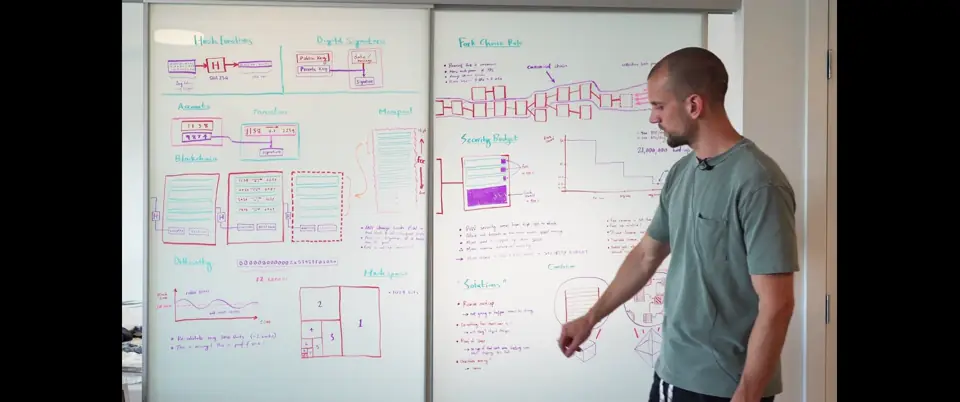 from 42:51
 from 39:16
 from 8:28
 from 57:41
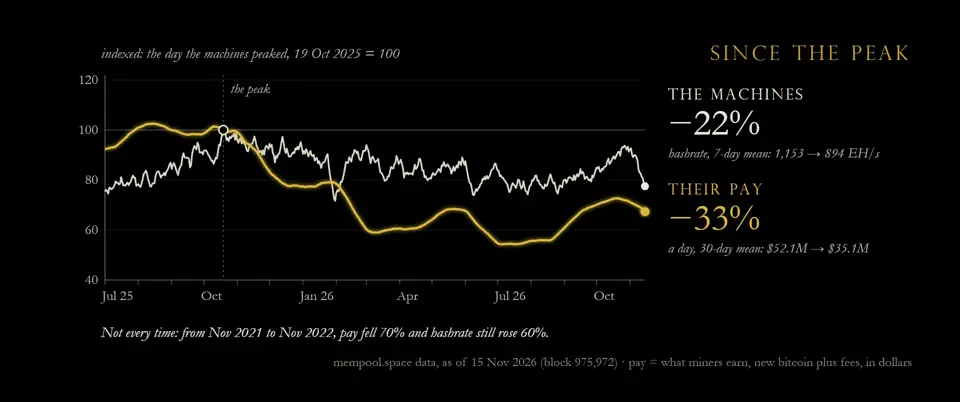 from 8:28
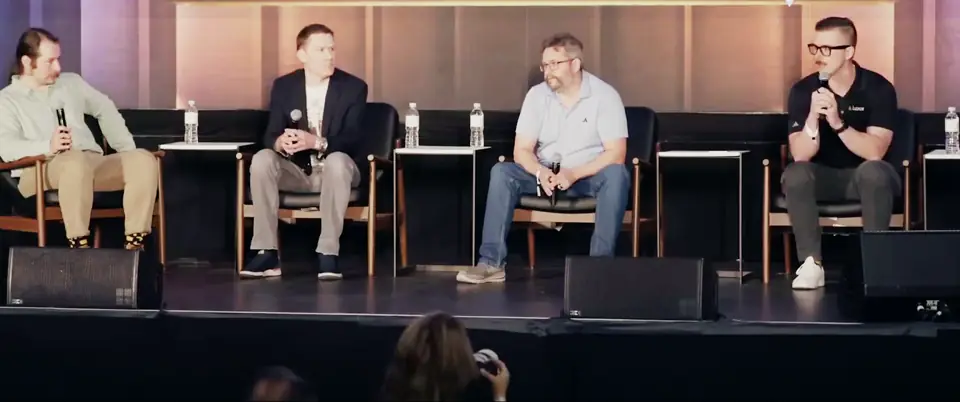 from 4:28
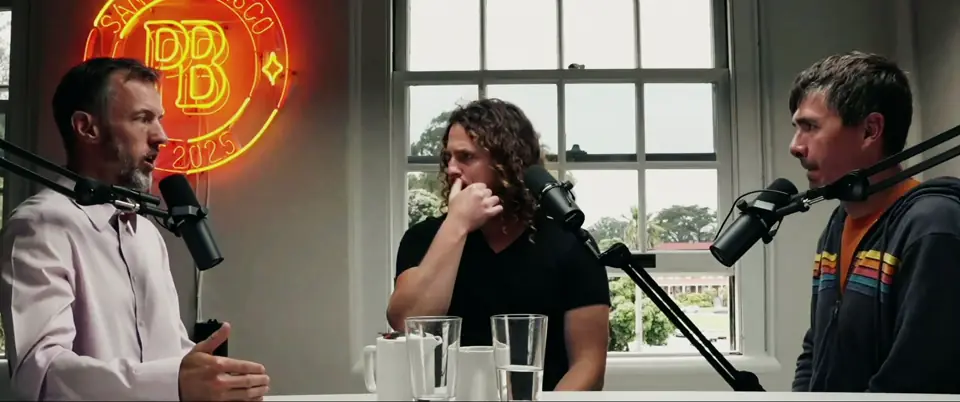 from 16:24
 from 8:11
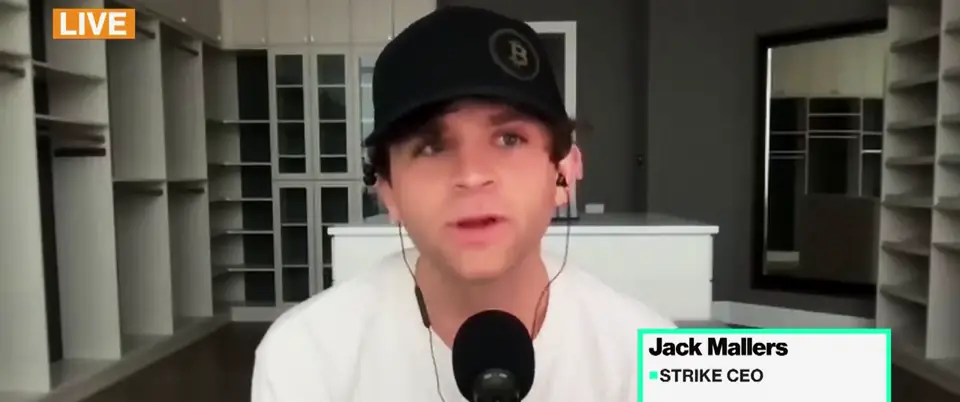 from 7:47
 from 8:08
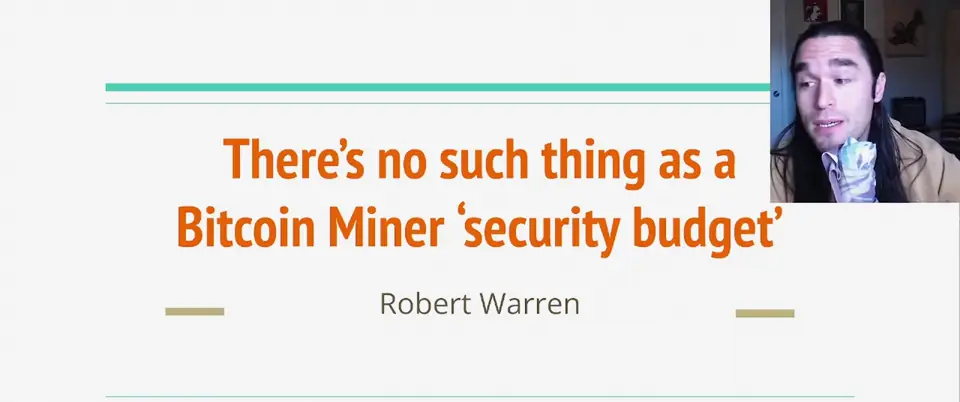 from 0:39
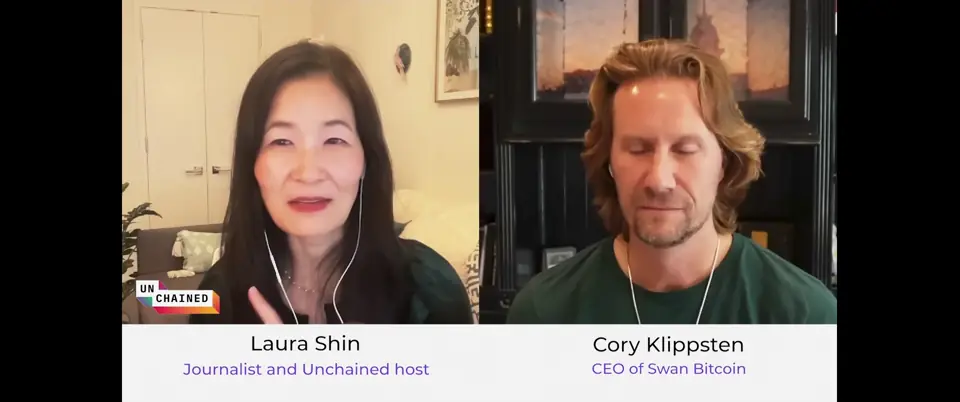 from 6:40
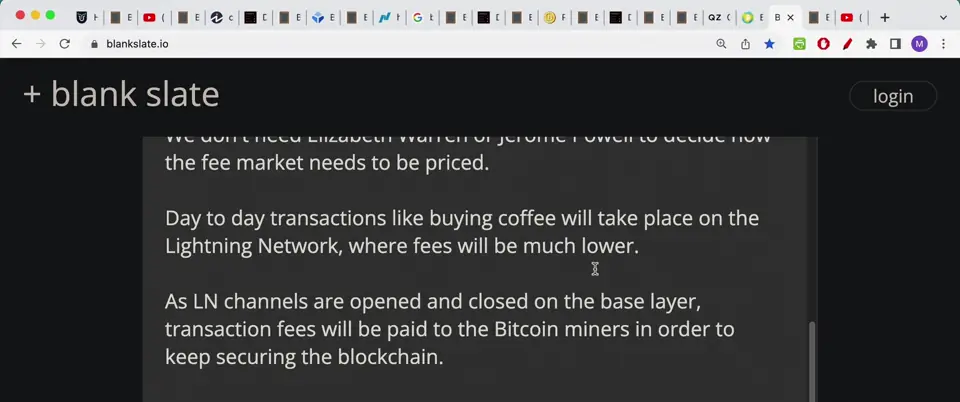 from 27:47
 from 1:57
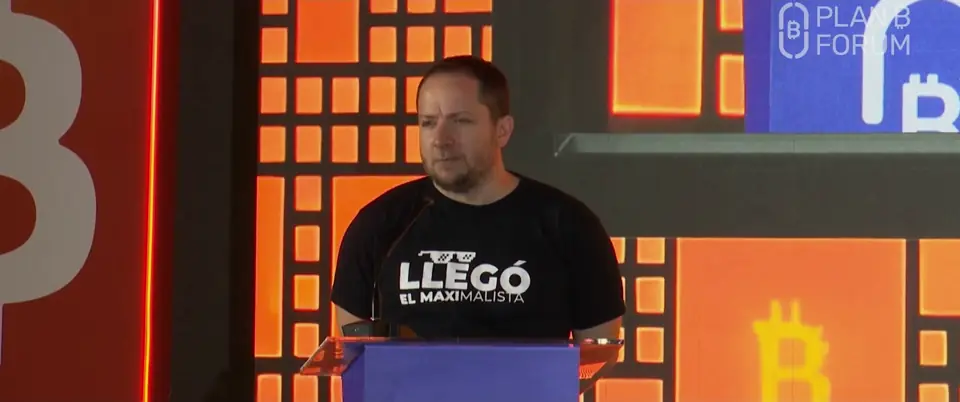 from 2:23
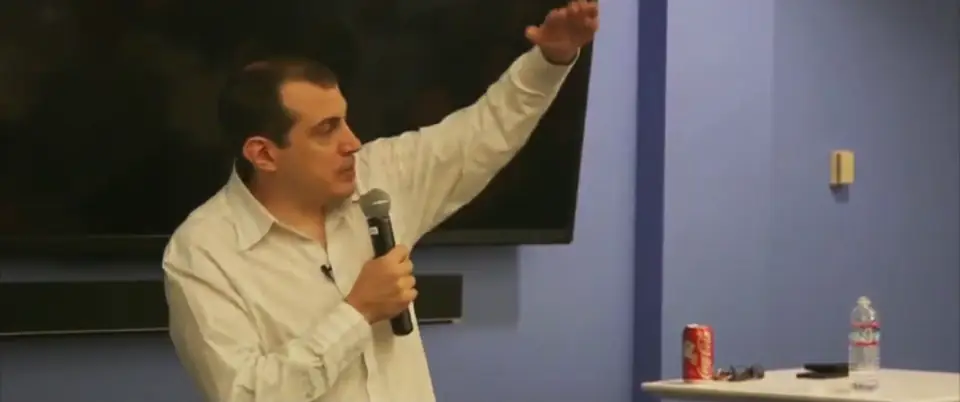 from 1:32
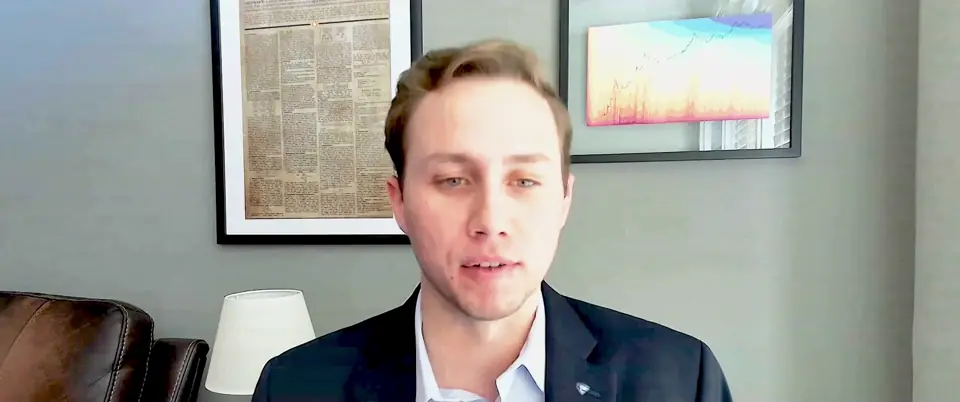 from 39:55
 from 1:33:44
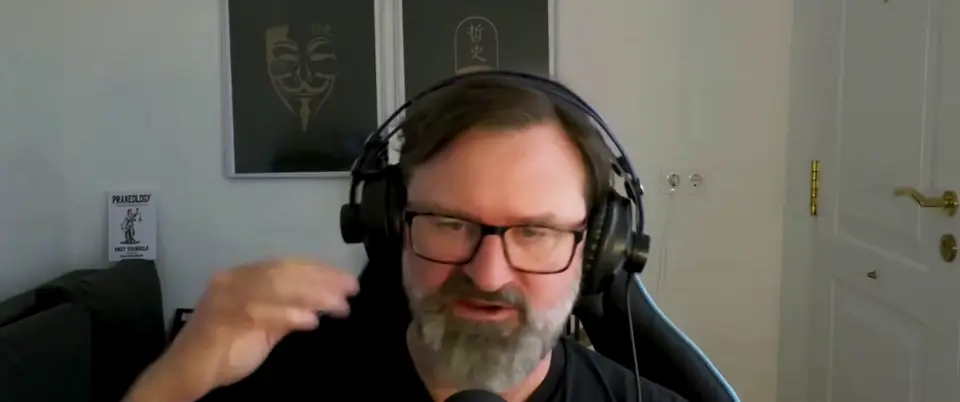 from 14:21
 from 34:09
 from 20:16
 from 0:48
 from 14:20
 from 5:03
 from 15:35
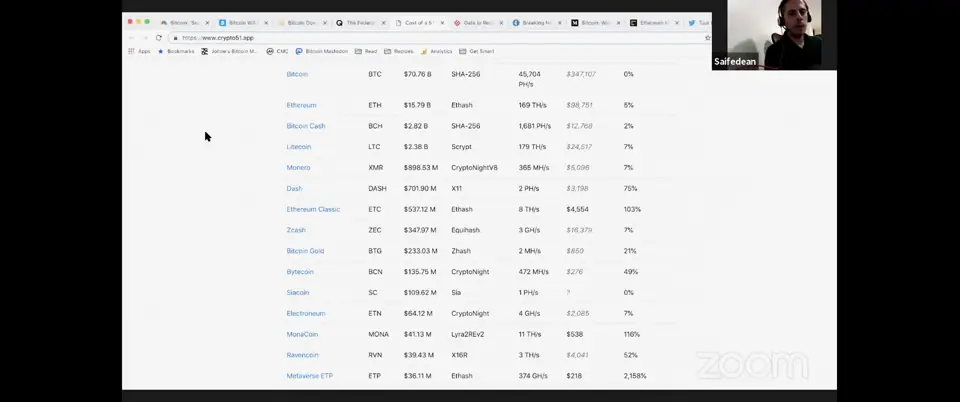 from 37:20
 from 26:30
 from 21:28
 from 2:56
 from 13:24
 from 18:14
 from 0:00
 from 41:18
 from 4:13
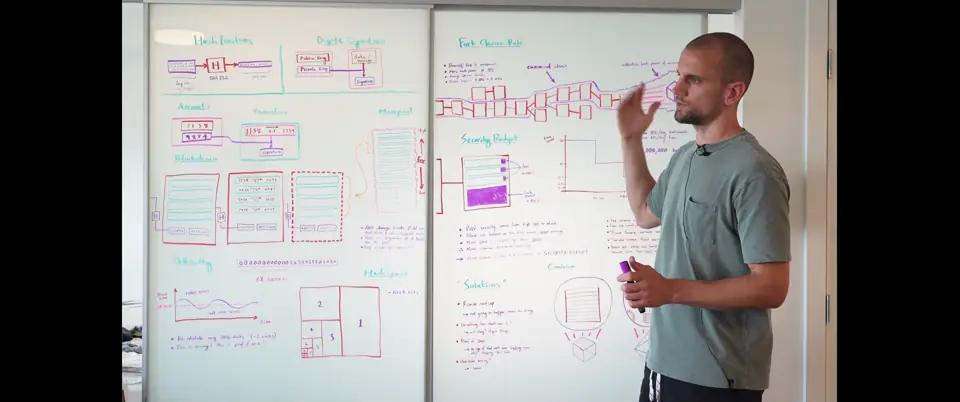 from 37:19
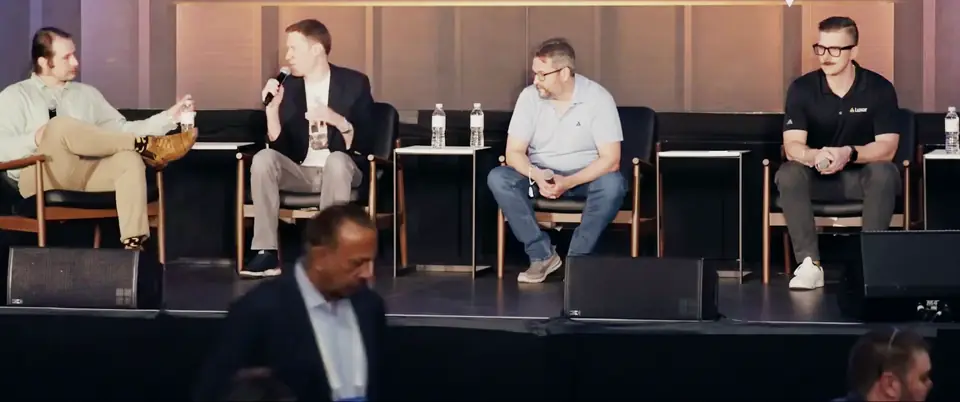 from 2:09
 from 59:43
 from 48:56
 from 51:15
 from 11:37
 from 23:58
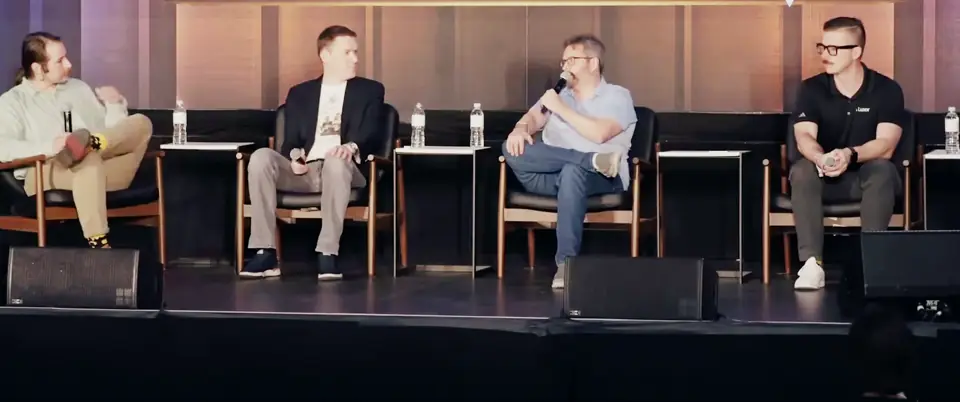 from 25:31
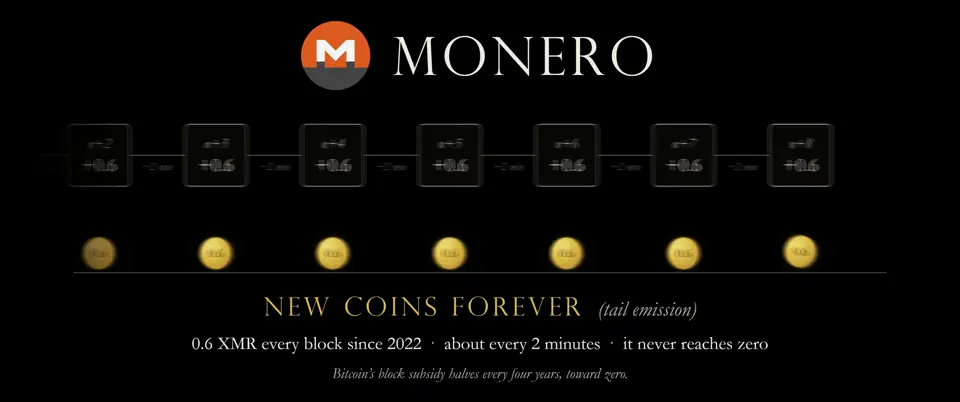 from 3:29
 from 33:29
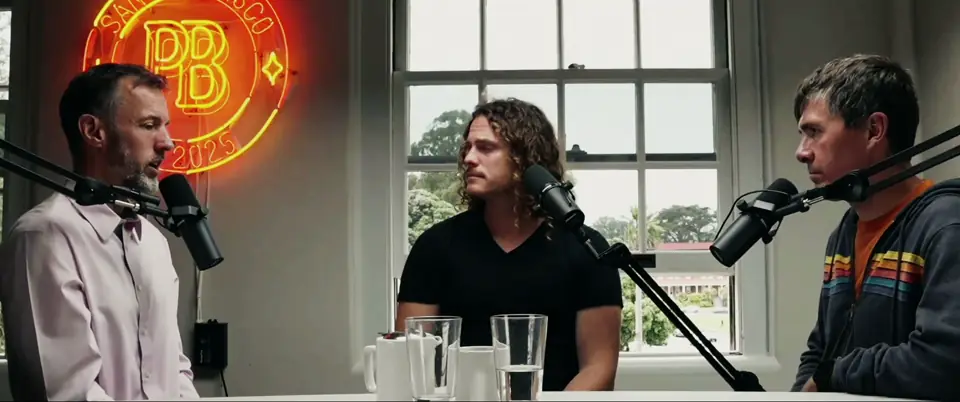 from 19:33
 from 26:28
 from 0:08
 from 45:03
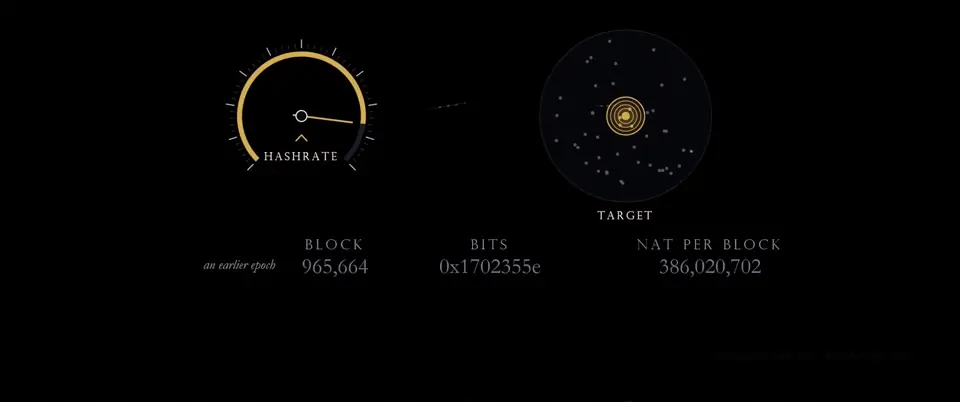 from 50:43
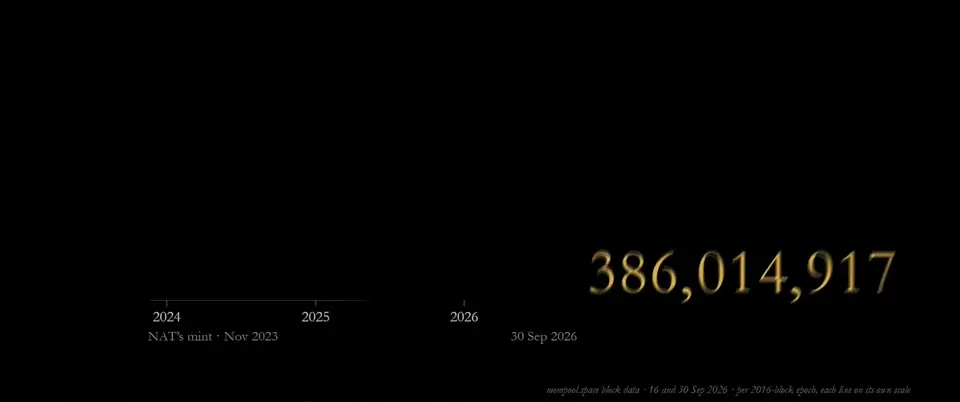 from 49:04
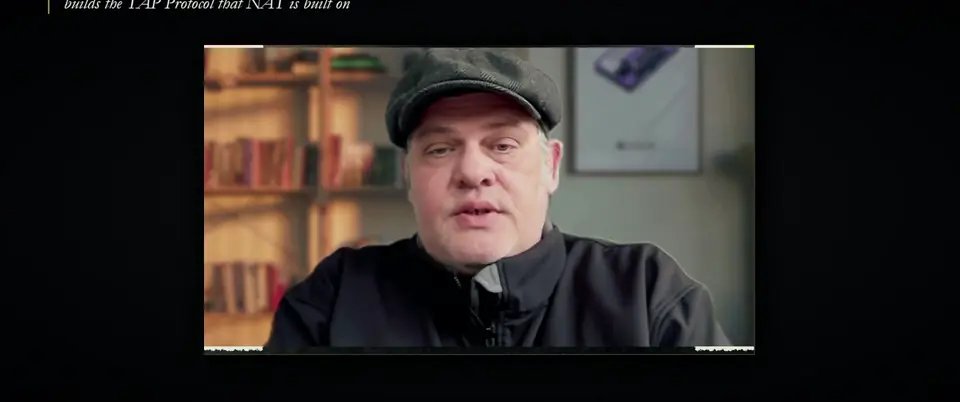 from 17:04
 from 33:48
 from 35:34
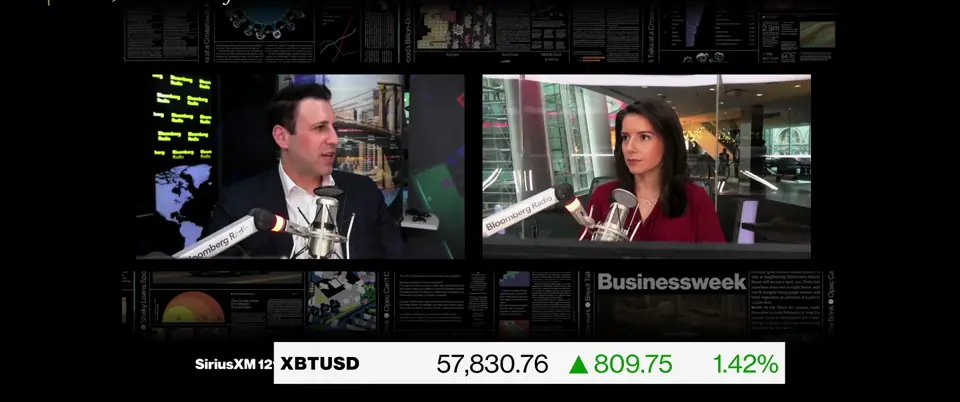
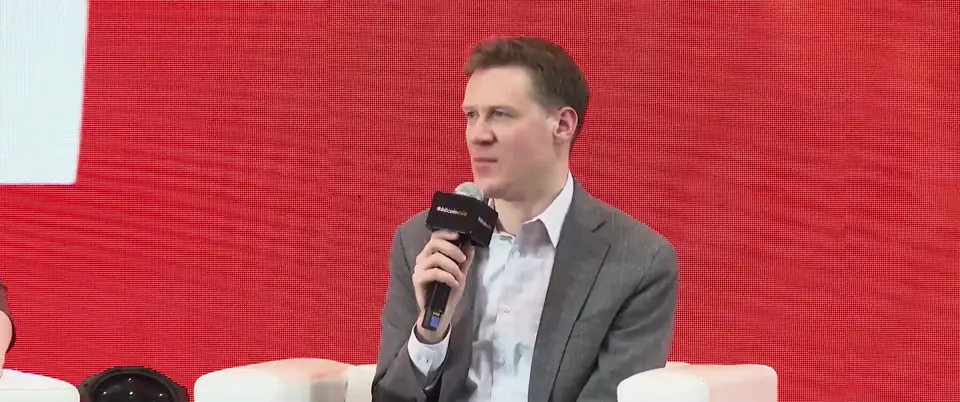 from 17:46
 from 16:48
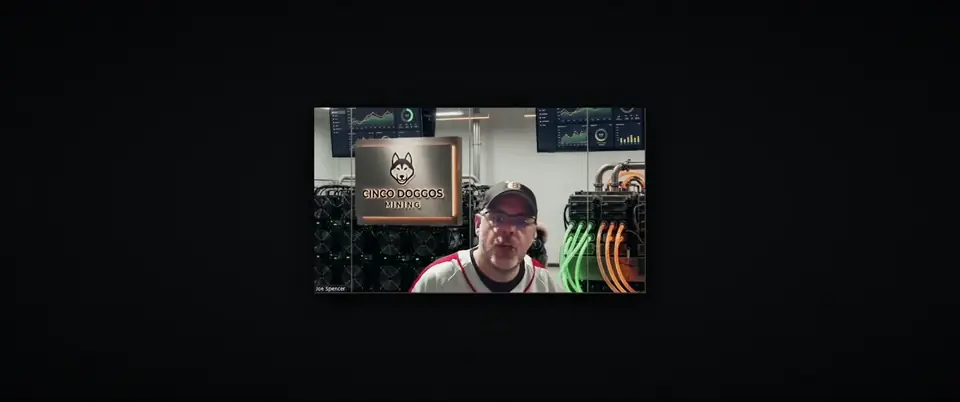 from 45:26
 from 48:19
The documents
Filings, papers, posts and data the narration quotes, summarises or calculates from.
The filings: 50 companies and funds
Each one names miners' pay as a risk in its latest annual report or prospectus. The highlighted words are re-checked against the filing's text at every build.
Bitcoin funds · 11
thereby jeopardizing the security of the Bitcoin networkRead it on SEC.gov ↗If the award does not exceed the costs of mining in the long-term, miners may have to cease operations entirelyRead it on SEC.gov ↗miners may cease expending processing power to mine blocksRead it on SEC.gov ↗miners may cease expending processing power to mine blocksRead it on SEC.gov ↗miners may operate at a loss, transition to other networks, or cease operations altogetherRead it on SEC.gov ↗the mining incentive structure may transition to a higher reliance on transaction confirmation feesRead it on SEC.gov ↗transaction fees for recording transactions are not sufficiently high to exceed the costs of miningRead it on SEC.gov ↗could increase the likelihood of a malicious actor or botnet obtaining controlRead it on SEC.gov ↗increase the network’s vulnerability to attacks, including the risk that a malicious actor could obtain sufficient control to manipulate the blockchainRead it on SEC.gov ↗could be inadequate to incentivize miners to continue to perform mining activitiesRead it on SEC.gov ↗miners may cease expanding processing power or demand high transaction feesRead it on SEC.gov ↗Every filer in this group, with the full paragraph: etf-risk-factor.pages.dev ↗
Bitcoin miners · 19
may decrease our revenue and could force us to cease mining operationsRead it on SEC.gov ↗we cannot predict whether such fees will increase, or remain at levels, sufficient to offset the decline in block rewards over timeRead it on SEC.gov ↗our customers may not have an adequate incentive to continue mining and customers may cease mining operations altogetherRead it on SEC.gov ↗materially reduces mining revenue and profitabilityRead it on SEC.gov ↗could render our Mining operations unprofitable for sustained periodsRead it on SEC.gov ↗we may not have an adequate incentive to continue mining and may cease mining operations altogetherRead it on SEC.gov ↗we and American Bitcoin may not have an adequate incentive to continue mining and may decrease or cease our ASIC compute operationsRead it on SEC.gov ↗our ability to achieve profitability becomes more difficultRead it on SEC.gov ↗halvings may reduce our mining revenue and profitabilityRead it on SEC.gov ↗a future halving event may render the Company unprofitable and unable to continue as a going concernRead it on SEC.gov ↗a future halving event may render the Corporation’s bitcoin mining operations to be unprofitableRead it on SEC.gov ↗Each successive halving reduces our revenue per block solvedRead it on SEC.gov ↗As block rewards decline over time, mining economics are expected to become increasingly dependent on transaction feesRead it on SEC.gov ↗we may not have an adequate incentive to continue mining and may cease mining operations altogetherRead it on SEC.gov ↗the revenue we earn from our Bitcoin mining operations would see a decreaseRead it on SEC.gov ↗our revenue would decrease substantially upon the next HalvingRead it on SEC.gov ↗the Bitcoin protocol halves mining rewards approximately every four years, reducing the potential earnings for minersRead it on SEC.gov ↗the revenue we earn from our mining operations will see a corresponding decreaseRead it on SEC.gov ↗there is no guarantee that the price change will be favorable or would compensate for the reduction in mining rewardsRead it on SEC.gov ↗Every filer in this group, with the full paragraph: miner-risk-factor.pages.dev ↗
Bitcoin treasury companies · 10
further reductions in mining rewards of bitcoin, including due to block reward halving events, which are programmed events that occur approximately every four years (the most recent of which occurred in April 2024) that reduce the block reward earned by “miners” who validate bitcoin transactions, or increases in the costs associated with bitcoin mining, including increases in electricity costs and hardware and software used in mining, or new or enhanced regulation or taxation of bitcoin mining, which could further increase the costs associated with bitcoin mining, any of which may cause a decline in support for the Bitcoin networkRead it on SEC.gov ↗further reductions in mining rewards of bitcoin, including due to block reward halving events, which are programmed events that occur approximately every four years (the most recent of which occurred in April 2024) that reduce the block reward earned by “miners” who validate bitcoin transactions, or increases in the costs associated with bitcoin mining, including increases in electricity costs and hardware and software used in mining, or new or enhanced regulation or taxation of bitcoin mining, which could further increase the costs associated with bitcoin mining, any of which may cause a decline in support for the Bitcoin networkRead it on SEC.gov ↗further reductions in mining rewards of Bitcoin, including due to block reward halving events, which are events that occur after a specific period of time (the most recent of which occurred in April 2024) that reduce the block reward earned by “miners” who validate Bitcoin transactions, or increases in the costs associated with Bitcoin mining, including increases in electricity costs and hardware and software used in mining, or new or enhanced regulation or taxation of Bitcoin mining, which could further increase the costs associated with Bitcoin mining, any of which may cause a decline in support for the Bitcoin networkRead it on SEC.gov ↗further reductions in mining rewards of bitcoin, including due to block reward "halving" events, which are events that occur after a specific period of time (the most recent of which occurred in April 2024) that either reduce the block reward earned by “miners” who validate bitcoin transactions, or increase the costs associated with bitcoin mining, including increases in electricity costs and hardware and software used in mining, or new or enhanced regulation or taxation of bitcoin mining, which could further increase the costs associated with bitcoin mining, any of which may cause a decline in support for the bitcoin networkRead it on SEC.gov ↗further reductions in mining rewards of Bitcoin, including reductions due to block reward halving events, which are events that occur after a specific period of time that reduce the block reward earned by “miners” who validate Bitcoin transactions (the most recent reduction in mining rewards occurred in April 2024), which may cause a decline in support for the Bitcoin networkRead it on SEC.gov ↗further reductions in mining rewards of Bitcoin, including due to block reward halving events, which are events that occur after a specific period of time that reduce the block reward earned by “miners” who validate Bitcoin transactions, or increases in the costs associated with Bitcoin mining, including increases in electricity costs and hardware and software used in mining, or new or enhanced regulation or taxation of Bitcoin mining, which could further increase the costs associated with Bitcoin mining, any of which may cause a decline in support for the Bitcoin networkRead it on SEC.gov ↗further reductions in mining rewards of bitcoin, including due to block reward halving events, which are events that occur after a specific period of time (the most recent of which occurred in April 2024) that reduce the block reward earned by “miners” who validate bitcoin transactions, or increases in the costs associated with bitcoin mining, including increases in electricity costs and hardware and software used in mining, or new or enhanced regulation or taxation of bitcoin mining, which could further increase the costs associated with bitcoin mining, any of which may cause a decline in support for the bitcoin networkRead it on SEC.gov ↗further reductions in mining rewards of bitcoin, including block reward halving events, which are events that occur after a specific period of time that reduce the block reward earned by “miners” who validate bitcoin transactions, or increases in the costs associated with bitcoin mining, including increases in electricity costs and hardware and software used in mining, that may cause a decline in support for the bitcoin networkRead it on SEC.gov ↗further reductions in mining rewards of bitcoin, including block reward halving events, which are events that occur after a specific period of time that reduce the block reward earned by “miners” who validate bitcoin transactions, or increases in the costs associated with bitcoin mining, including increases in electricity costs and hardware and software used in mining, that may cause a decline in support for the Bitcoin networkRead it on SEC.gov ↗further reductions in mining rewards of digital assets, including block reward halving events, which are events that occur after a specific period of time that reduce the block reward earned by “miners” who validate digital assets transactions, or increases in the costs associated with Bitcoin mining, including increases in electricity costs and hardware and software used in mining, that may cause a decline in support for the Digital Asset networksRead it on SEC.gov ↗Every filer in this group, with the full paragraph: treasury-risk-factor.pages.dev ↗
Exchanges and custodians · 5
In approximately 2140, new Bitcoin tokens will no longer be awarded for adding a new block and miners will only have transaction fees to incentivize themRead it on SEC.gov ↗a crypto network’s security and speed may be adversely affected, increasing the likelihood of a malicious attackRead it on SEC.gov ↗a digital asset’s network’s security and speed may be adversely affected, increasing the likelihood of a malicious attackRead it on SEC.gov ↗a digital asset network’s security and speed may be adversely affected, increasing the likelihood of a malicious attackRead it on SEC.gov ↗a digital asset network’s security and speed may be adversely affected, increasing the likelihood of a malicious attackRead it on SEC.gov ↗Every filer in this group, with the full paragraph: exchange-risk-factor.pages.dev ↗
Bitcoin futures funds · 5
If this compensation is not sufficient to incentivize miners to process transactions, the confirmation process for transactions may slow and the Bitcoin Network may become more vulnerable to malicious actorsRead it on SEC.gov ↗If this compensation is not sufficient to incentivize miners to process transactions, the confirmation process for transactions may slow and the Bitcoin Network may become more vulnerable to malicious actorsRead it on SEC.gov ↗If this compensation is not sufficient to incentivize miners to process transactions, the confirmation process for transactions may slow and the Bitcoin Network may become more vulnerable to malicious actorsRead it on SEC.gov ↗If this compensation is not sufficient to incentivize miners to process transactions, the confirmation process for transactions may slow and the Bitcoin Network may become more vulnerable to malicious actorsRead it on SEC.gov ↗Miners may cease expanding processing power to create blocks and verify transactions if they are not adequately compensatedRead it on SEC.gov ↗Every filer in this group, with the full paragraph: futures-etf-risk-factor.pages.dev ↗
The figures
Every number the film shows on screen, with its source and the date of the data.